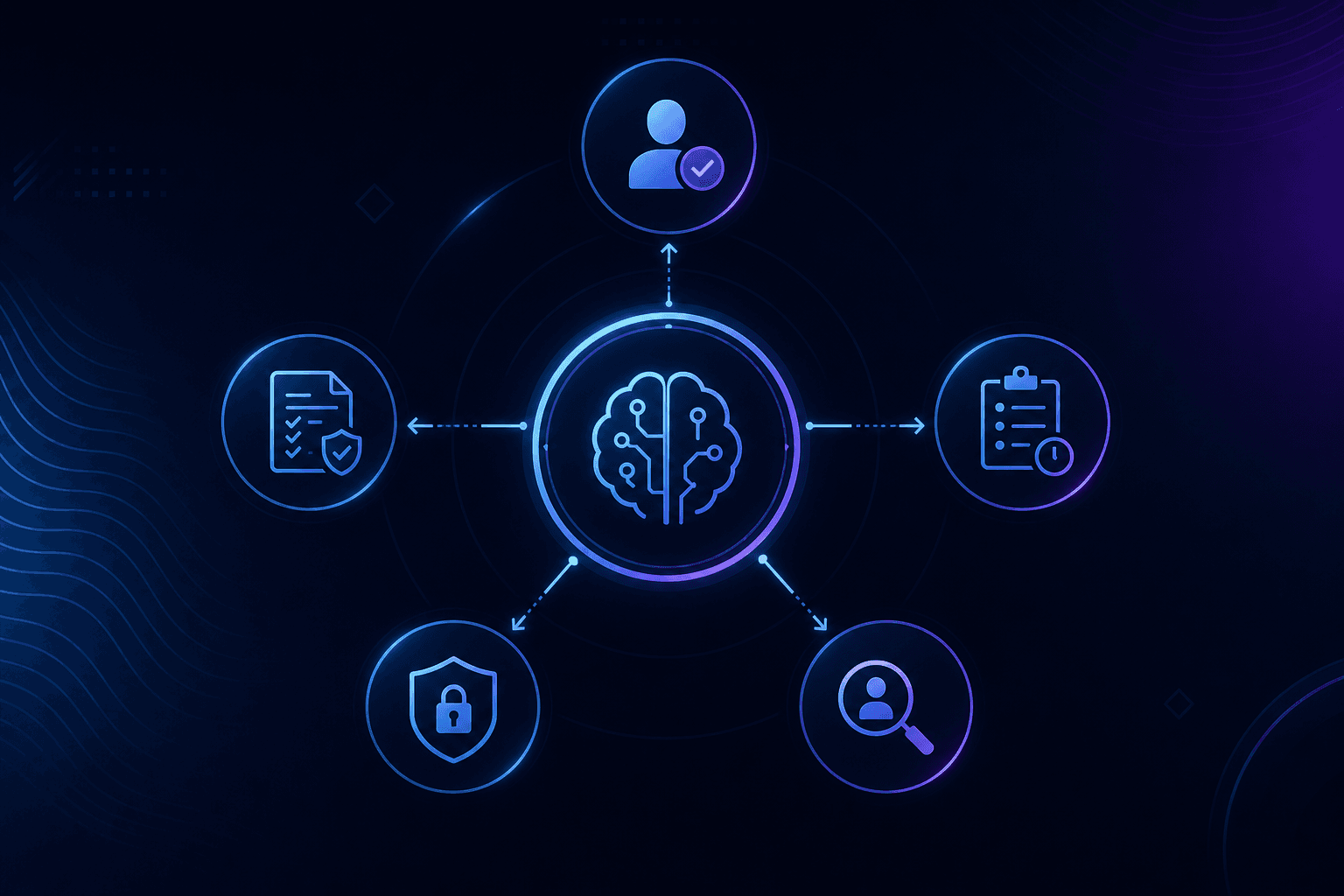
Business teams AI agents کو repetitive کام automate کرنے، systems جوڑنے، اور operational events پر تیزی سے react کرنے کے لیے adopt کر رہی ہیں۔ یہ progress حقیقی ہے — لیکن risk بھی حقیقی ہے جب software بغیر clear limits کے act کرے۔ AI governance for business automation وہ rules، approvals، اور records ہیں جو automation کو production میں useful، accountable، اور safe رکھتے ہیں۔
تعارف
Business context میں AI governance کیا ہے؟ اس کا مطلب ہے define کرنا کہ automated action کون trigger کر سکتا ہے، AI agent کیا کر سکتا ہے، کب human کو decision review کرنی چاہیے، اور ہر step بعد میں review کے لیے کیسے log ہو۔ اس structure کے بغیر automation غلط سمت میں تیزی سے بڑھ سکتی ہے: غلط customer updates بھیجنا، unauthorized records change کرنا، یا ایسے workflows چلانا جن کی وضاحت بعد میں مشکل ہو۔
Governance innovation کی رکاوٹ نہیں۔ یہ وہ طریقہ ہے جس سے teams automation پر اعتماد کے ساتھ scale کرتی ہیں۔
AI automation کو governance کیوں درکار ہے؟
زیادہ تر business processes میں data، permissions، اور consequences شامل ہوتے ہیں۔ Internal summary بنانے والا workflow billing record update یا customer message بھیجنے والے workflow سے مختلف ہے۔ Governance production سے پہلے practical سوالات کے جواب دیتی ہے:
- کون سی actions automatically run ہو سکتی ہیں؟
- کون سی actions human approval چاہتیں؟
- Agent کون سا data read یا write کر سکتا ہے؟
- غلطی کیسے detect اور reverse کریں؟
- جب کچھ غلط ہو تو responsibility کس کی ہے؟
AI automation governance compliance، vendor reviews، اور internal security policies کو بھی support کرتی ہے۔ چاہے regulations AI agents کا explicit ذکر نہ کریں، businesses کو traceability، access control، اور change management درکار رہتا ہے — جیسے کisi بھی production software کے لیے۔
Advice اور action میں کیا فرق ہے؟
ایک common mistake یہ ہے کہ ہر AI output کو یکساں treat کیا جائے۔ Practice میں business automation الگ رکھے:
- Advice — summaries، recommendations، draft responses، یا ranked options جو person use سے پہلے review کرے۔
- Action — system updates، customer messages، financial changes، یا کوئی step جو live business records affect کرے۔
Follow-up email suggest کرنے والا agent automatically بھیجنے والے agent سے کم risky ہے۔ Governance کو explicit rules، permissions، اور approval paths سے اس فرق کو reflect کرنا چاہیے۔
AI کو human approval کے لیے کب رکنا چاہیے؟
Human approval in AI workflows secure AI automation میں سب سے effective controls میں سے ایک ہے۔ Well-designed workflow high-impact steps سے پہلے pause کرے، جیسے:
- Company کی طرف سے external communications بھیجنا
- Customer یا financial records create، update، یا delete کرنا
- Predefined thresholds سے آگے issues escalate کرنا
- Uncertain یا low-confidence actions execute کرنا
- Approved scope یا business hours سے باہر workflows چلانا
مقصد ہر minor task review کرنا نہیں۔ مقصد checkpoints وہاں رکھنا ہے جہاں غلطی costly، visible، یا undo کرنا مشکل ہو۔
ہر AI action traceable کیوں ہونا چاہیے؟
Audit trails for AI agents ایک simple مگر critical سوال کا جواب دیتے ہیں: کیا ہوا، کب، اور کیوں؟ Useful audit trail میں عام طور پر شامل ہو:
- Workflow شروع کرنے والا trigger
- Agent نے استعمال کیے inputs اور context
- ہر step پر apply ہونے والے rules یا policies
- Attempted، approved، یا blocked actions
- Approval کے لیے responsible user یا system identity
- Timestamps اور outcome status
Traceability troubleshooting، customer support، security reviews، اور continuous improvement میں مدد دیتی ہے۔ یہ automation پر trust بھی بڑھاتی ہے کیونکہ results inspect کیے جا سکتے ہیں — guess نہیں۔
AI کیا کر سکتا ہے — اور کیا نہیں کرنا چاہیے؟
Clear rules humans اور software دونوں کے لیے ambiguity کم کرتی ہیں۔ Strong governance عام طور پر define کرتی ہے:
- Allowed actions — read-only lookups، internal notifications، draft generation، scheduled reports
- Restricted actions — payments، contract changes، bulk exports، privileged account updates
- Prohibited actions — authentication bypass، unauthorized datasets، unapproved third-party tools
- Fallback behavior — stop، review queue، یا low confidence پر human owner کو route
یہ boundaries workflow design میں enforce ہونی چاہئیں — informal team habits پر نہیں۔
Business operations کے لیے practical examples
Lead routing اور sales follow-up
Agent inbound leads classify کر کے recommended owner یا next step تیار کر سکتا ہے۔ Message بھیجنے یا CRM record change سے پہلے governance high-value accounts یا non-standard routing کے لیے approval مانگ سکتی ہے۔
Customer support triage
Agents tickets summarize، categories suggest، اور account context retrieve کر سکتے ہیں۔ External replies یا refund-related actions defined approval اور logging rules سے گزریں۔
Operations اور reporting
Automation weekly metrics compile، anomalies detect، اور internal tasks open کر سکتی ہے۔ اگر agent operational changes propose کرے — جیسے work reassign یا inventory thresholds — وہ actions traceable اور permission-controlled ہوں۔
Internal knowledge workflows
Agents documentation find یا briefing notes تیار کرنے میں مدد کر سکتے ہیں۔ Governance ensure کرتی ہے کہ صرف approved sources access ہوں اور sensitive material authorized scopes سے باہر expose نہ ہو۔
Businesses کو AI automation software میں کیا دیکھنا چاہیے؟
Platforms یا custom systems evaluate کرتے وقت responsible deployment support کرنے والی capabilities دیکھیں:
- Role-based permissions اور environment separation
- High-impact actions سے پہلے configurable approval steps
- Structured logs اور searchable audit history
- Clear workflow boundaries اور test modes
- Existing SaaS، APIs، اور identity systems integration
- Specific automations quickly disable یا roll back کرنے کی صلاحیت
- Data sources اور decision rules کی documentation
تیز مگر opaque tools long-term operational risk پیدا کرتے ہیں۔
Novapro Lab responsible automation کو کیسے approach کرتی ہے
Novapro Lab business automation کو production software کے طور پر design کرتی ہے — experimental scripts نہیں۔ Agent workflows APIs، data layers، اور operational controls کے ساتھ بنتے ہیں جن پر teams پہلے سے rely کرتی ہیں۔ Typical principles:
- Automate کرنے سے پہلے workflows map کرنا
- Advisory steps کو executable actions سے الگ رکھنا
- Business impact material جہاں human approval شامل کرنا
- Review کے لیے context، decisions، اور outcomes log کرنا
- Automation کو existing SaaS اور internal systems سے جوڑنا، بغیر plan کے replace نہیں
ہم businesses کو responsible AI automation implement کرنے میں مدد دیتے ہیں جو operations، security expectations، اور growth plans کے مطابق ہو — بغیر ایسے results promise کیے جو AI guarantee نہیں کر سکتی۔
اختتامی بات
AI agents business operations میں speed، consistency، اور visibility بہتر بنا سکتے ہیں۔ وہ judgment، accountability، یا clear rules کی ضرورت ختم نہیں کرتے۔ جو teams AI risk management for companies میں early invest کرتی ہیں — approvals، audit trails، اور explicit permissions کے ذریعے — وہ automation safely scale کرنے کے لیے بہتر positioned ہوتی ہیں۔
اگر آپ workflow automation plan کر رہے ہیں اور governance کا structured approach چاہتے ہیں، ایک high-impact process سے شروع کریں، define کریں کہ آپ کی team کے لیے «safe to automate» کیا معنی رکھتا ہے، اور day one سے controls build کریں۔
اپنے business کے لیے responsible automation discuss کرنے کے لیے تیار ہیں؟ Novapro Lab کے ساتھ consultation schedule کریں تاکہ workflows، approval needs، اور production requirements review ہوں۔
Need a software system like this?
Related articles
کاروباری آپریشنز کی خودکاری کے لیے AI ایجنٹس
ایک عملی گائیڈ کہ AI ایجنٹس دستی کام کیسے کم کرتے ہیں، سسٹمز کو جوڑتے ہیں، اور آپریشنل کارکردگی بہتر بناتے ہیں۔
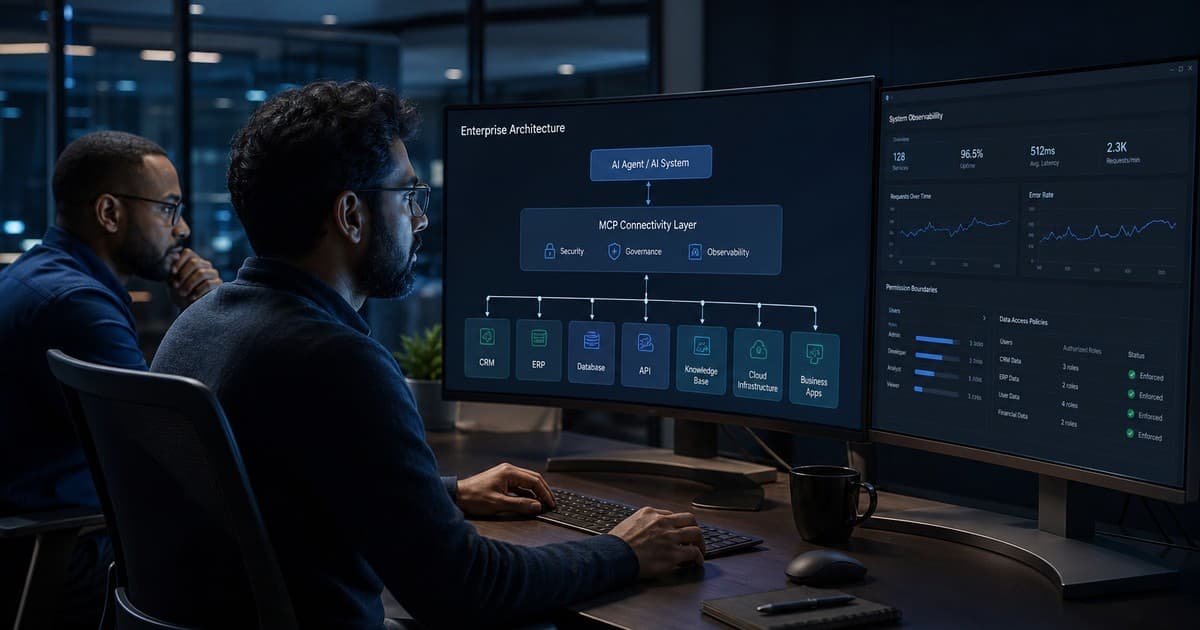
Model Context Protocol (MCP) for Enterprise AI: AI Agents ko Business Systems se Securely Connect Karna
Model Context Protocol (MCP) businesses ko AI agents ko CRM, ERP aur internal tools se connect karne ka standardized tareeqa deta hai — lekin production use ke liye governance, least privilege aur clear security controls zaroori hain.

AI Agents vs Agentic AI: فرق اور business میں کب کون سا approach استعمال کریں
AI agents اور Agentic AI related ہیں، لیکن same نہیں۔ جانیں ہر model کیسے کام کرتا ہے، deploy کب مناسب ہے، اور control کھوئے بغیر automation کیسے کریں۔