
Short answer: AI agents task-oriented components ہیں جو models اور tools use کر کے defined jobs complete کرتے ہیں۔ Agentic AI broader pattern ہے جہاں ایک یا زیادہ agents complex business flows plan، delegate، اور coordinate کرتے ہیں — اکثر multi-agent systems کے طور پر orchestration، memory، اور governance کے ساتھ۔
Tech leaders دونوں terms روزانہ سنتے ہیں، اکثر synonyms سمجھ کر۔ یہ confusion غلط architectures، oversized pilots، اور automation پیدا کرتا ہے جو demos میں کام کرے لیکن production میں fail ہو۔ یہ guide ہر concept define کرتا ہے، B2B decisions کے لیے compare کرتا ہے، اور explain کرتا ہے کہ AI agents، agentic systems، اور autonomous AI real operations میں کب fit ہوتے ہیں۔
Business software میں AI agent کیا ہے
AI agent language یا reasoning model کو tools — APIs، databases، search، flow engines — کے ساتھ combine کرتا ہے تاکہ context observe، steps decide، اور defined boundaries میں act کرے۔
Business systems میں agent عام طور پر:
- Trigger receive کرتا ہے (form، CRM event، scheduled job، ticket)
- Connected systems سے context fetch کرتا ہے
- Rules، policies، یا model reasoning apply کرتا ہے
- Actions execute کرتا ہے (record update، message draft، task open)
- Systems یا human review کے لیے structured output return کرتا ہے
Agents basic chatbots سے مختلف ہیں کیونکہ action-oriented ہیں۔ Practical introduction کے لیے AI agents business operations automate کیسے کرتے ہیں دیکھیں۔
Production AI agents کی characteristics
| Characteristic | Business expectation |
|---|---|
| Scope | Bounded flow with clear start اور end |
| Tools | CRM، ERP، ticketing، email، internal APIs، automation platforms |
| Control | Policies، permissions، optional human approval |
| Output | Structured، loggable، inspectable results |
| Failure | Review queue، retry، یا escalation — silent errors نہیں |
Agentic AI کیا ہے
Agentic AI systems describe کرتا ہے جہاں AI components goal-directed behavior show کرتے ہیں: subtasks plan، tools dynamically choose، other agents کے ساتھ coordinate، اور adapt جب intermediate steps fail یا data missing ہو۔
یہ single product category نہیں۔ Architectural pattern ہے جو include کر سکتا ہے:
- Planner agent جو goals decompose کرے
- Specialist agents research، validation، execution، یا reporting کے لیے
- Orchestrator state، retries، اور handoffs manage کرے
- Memory layers (session context، long-term knowledge)
- Governance controls: permissions، approvals، audit
Agentic systems یا multi-agent systems سے مراد عام طور پر software ہے جہاں coordinated agents complex outcome share کرتے ہیں — جیسے vendor onboarding documents سے ERP تک۔
AI agents vs Agentic AI: comparison
| Dimension | AI agent (single) | Agentic AI (multi-agent / orchestrated) |
|---|---|---|
| Primary goal | Defined flow complete | Complex objective subtasks میں achieve |
| Complexity | Low to medium | Medium to high |
| Planning | Fixed یا little dynamic | Dynamic decomposition اور delegation |
| Integrations | Few systems، clear data paths | Many systems، cross-functional flows |
| Governance | Simpler approval points | Layered policies، role separation |
| Time to value | Faster in bounded cases | More setup، higher return in coordination |
| Ideal for | Triage، classification، drafts، sync | Research + action pipelines، orchestration |
| Risk profile | Lower with bounded scope | Higher without controls اور observability |
Search summary: AI agents bounded tasks automate کرتے ہیں۔ Agentic AI multiple steps — اور often multiple agents — coordinate کرتا ہے adaptive planning کے ساتھ۔ Single agent choose کریں اگر flow stable ہے؛ agentic architecture choose کریں اگر work systems، roles، اور decision branches cross کرے۔
Architecture: single agent vs multi-agent systems
Single agent architecture
Trigger → Context retrieval → Agent (model + tools) → Action / draft → Human approval (optional) → System updates → Audit log
Works جب inputs اور outputs defined ہوں، ایک team flow own کرے، exceptions documented ہوں، integrations stable ہوں۔
Agentic / multi-agent architecture
Goal → Planner agent → ┬→ Research agent → RAG / knowledge layer
                      ├→ Validation agent → Policy engine
                      ├→ Execution agent → APIs / SaaS / internal systems
                      └→ Reporting agent → Dashboards / notifications
               Orchestrator (state، retries، handoffs، governance)
Orchestrator critical ہے۔ اس کے بغیر multi-agent demos fragile prompt chains ہیں۔ Production AI workflows state management، idempotent actions، error handling، اور human-in-the-loop steps require کرتے ہیں — جیسے AI governance for business automation میں۔
Existing stack سے connection
زیادہ تر businesses کو CRM، ERP، یا ticketing agents سے replace نہیں کرنا چاہیے۔ Agents connect ہوتے ہیں via:
- REST یا GraphQL API integrations
- Webhook یا message queue triggers
- n8n جیسے platforms reliable execution کے لیے
- Custom middleware جب standard connectors کافی نہ ہوں
اگر disconnected tools پہلے سے operations slow کر رہے ہوں، integration maturity broad agentic deployments سے پہلے آنی چاہیے۔ API integrations کیوں matter دیکھیں۔
Business use cases اور real examples
کب single AI agent use کریں
1. Lead qualification اور routing (B2B sales) — Agent data enrich، territory score، CRM assign، follow-ups prepare؛ sales enterprise accounts پر outreach approve کرے۔
2. Support ticket classification — Product، severity، tier classify؛ macros suggest؛ escalations route؛ external replies human approval کے ساتھ۔
3. Operational report preparation — APIs via weekly metrics aggregate، fields normalize، briefing generate؛ finance numbers validate۔
یہ scenarios business processes ready for automation سے align ہوتے ہیں۔
کب Agentic AI use کریں
1. Vendor onboarding — Planner document extraction، compliance validation، ERP registration، notifications delegate؛ external commitments پر human approval۔
2. Incident response coordination — Logs correlate، affected tenants identify، status updates draft، communications prepare — subtasks orchestration under۔
3. Complex order exceptions — History، inventory، policies investigate؛ resolutions propose؛ approved updates OMS، WMS، CRM میں execute۔
4. Research-action flows for operations — Retrieval، reasoning، structured recommendations combine؛ approval rules کے بعد execution۔
Common misconceptions
1. "Agentic AI = fully autonomous AI without humans" — Enterprise میں autonomy guardrails، approvals، audit کے اندر operate کرتی ہے۔
2. "More agents is always better" — Coordination، latency، cost، failure modes بڑھتے ہیں۔ Minimum viable architecture سے start کریں۔
3. "Agents eliminate custom software need" — Systems کے اندر act کرتے ہیں؛ well-modeled data، permissions، integrations replace نہیں کرتے۔ Custom software vs off-the-shelf tools دیکھیں۔
4. "Agentic AI is just advanced prompt engineering" — Production tool schemas، authentication، observability، runbooks require کرتا ہے — جیسے MVP to production SaaS platform میں۔
5. "One vendor platform solves strategy" — Architecture integration-first اور ecosystem-aware ہونی چاہیے۔
Tech leaders کے لیے implementation guide
Step 1: Architectural label سے پہلے flow map کریں
Triggers، data sources، decisions، approvals، success metrics document کریں۔
Step 2: Minimum agent complexity choose کریں
| اگر flow… | Start with… |
|---|---|
| Fixed steps اور single owner | Single AI agent |
| 3+ systems branches کے ساتھ cross | Orchestrated agent specialized sub-calls کے ساتھ |
| Research + validation + execution | Multi-agent system separate roles کے ساتھ |
| Customers یا money touch | Any architecture + mandatory human approval |
Steps 3–6
Flow میں governance design کریں۔ Day one سے observability build کریں۔ High-value flow pilot کریں۔ Integrations اور data access intentionally plan کریں۔
External references
- NIST AI Risk Management Framework
- Google Cloud: What are AI agents
- Anthropic: Building effective agents
Enterprise Agentic AI کی future trends
- Orchestration standards اور tool protocols
- Advisory اور execution agents میں greater separation
- SaaS اور ERP میں embedded agents
- Explicit policy engines والے multi-agent systems
- FinOps-style observability اور cost management
- Hybrid human-agent operating models
FAQs
AI agents اور Agentic AI میں کیا فرق ہے؟
Agent defined tasks models اور tools سے complete کرتا ہے۔ Agentic AI multiple steps — often multiple agents — dynamic planning کے ساتھ coordinate کرتا ہے۔
Single agent کب fit ہے؟
Bounded flows clear owner، stable integrations، measurable outcomes: triage، classification، internal summaries۔
Agentic AI کب sense بناتا ہے؟
Cross-functional processes branches، multiple data sources، subtasks research، validation، execution separate کرنے سے benefit۔
AI agents اور autonomous AI same ہیں؟
Enterprise autonomy عام طور پر guardrails میں operate کرتی ہے high-impact actions پر human approval کے ساتھ۔
Multi-agent systems risk کیسے کم کرتے ہیں؟
Functions separate، steps between policies apply، automation audit اور human controls combine۔
CTO کیا evaluate کرے؟
Flow clarity، integrations، governance، observability، fallback، pilot metrics۔
آپ کی organization کے لیے next steps
AI agents اور Agentic AI complementary ہیں۔ Agents focused flows میں fast value deliver کرتے ہیں۔ Agentic systems complexity address کرتے ہیں جب people، policies، platforms کے درمیان coordination bottleneck ہو۔
Architecture flow maturity، integrations، governance سے choose کریں — marketing terminology سے نہیں۔
ایسا software system چاہیے؟
Novapro Lab custom software platforms، SaaS systems، اور automation infrastructure build کرتی ہے teams کے لیے جو production results چاہتے ہیں — experiments نہیں۔
Need a software system like this?
Related articles
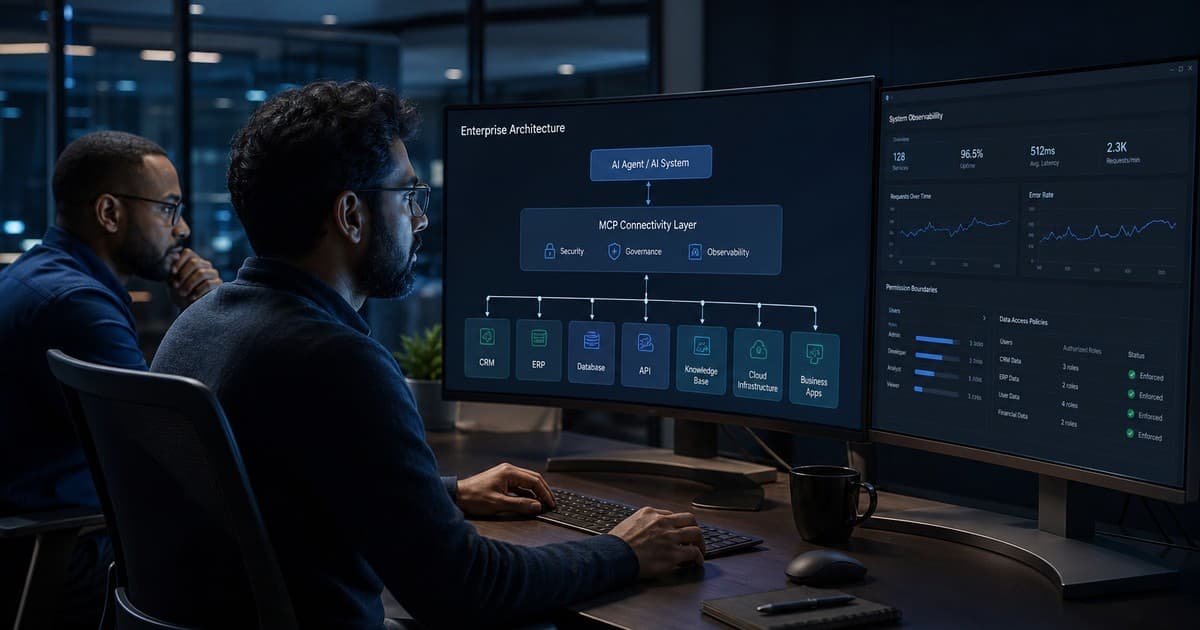
Model Context Protocol (MCP) for Enterprise AI: AI Agents ko Business Systems se Securely Connect Karna
Model Context Protocol (MCP) businesses ko AI agents ko CRM, ERP aur internal tools se connect karne ka standardized tareeqa deta hai — lekin production use ke liye governance, least privilege aur clear security controls zaroori hain.

Enterprise AI کے لیے RAG: retrieval-augmented generation accuracy اور trust کیسے بہتر بناتا ہے
RAG AI models کو آپ کی company knowledge — policies، contracts، documentation، operational data — سے connect کرتا ہے تاکہ grounded، auditable، production-useful responses ملیں۔
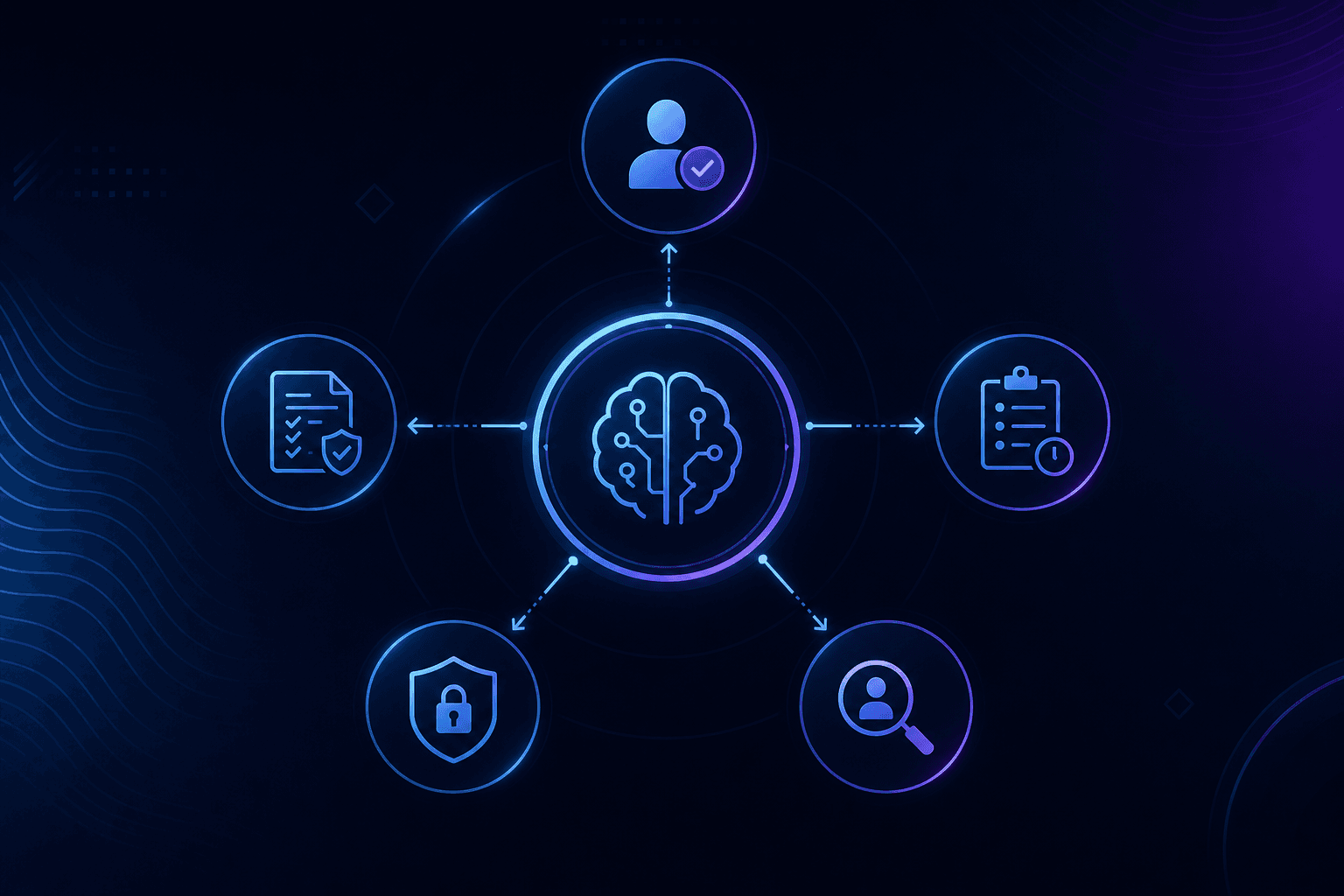
کاروباری خودکاری کے لیے AI گورننس: انسانی منظوری، audit trails، اور واضح قواعد کیوں اہم ہیں
AI خودکاری وقت بچا سکتی ہے اور آپریشنز بہتر بنا سکتی ہے، لیکن agents کو act کرنے سے پہلے businesses کو approval rules، audit trails، اور واضح boundaries درکار ہوتے ہیں۔